

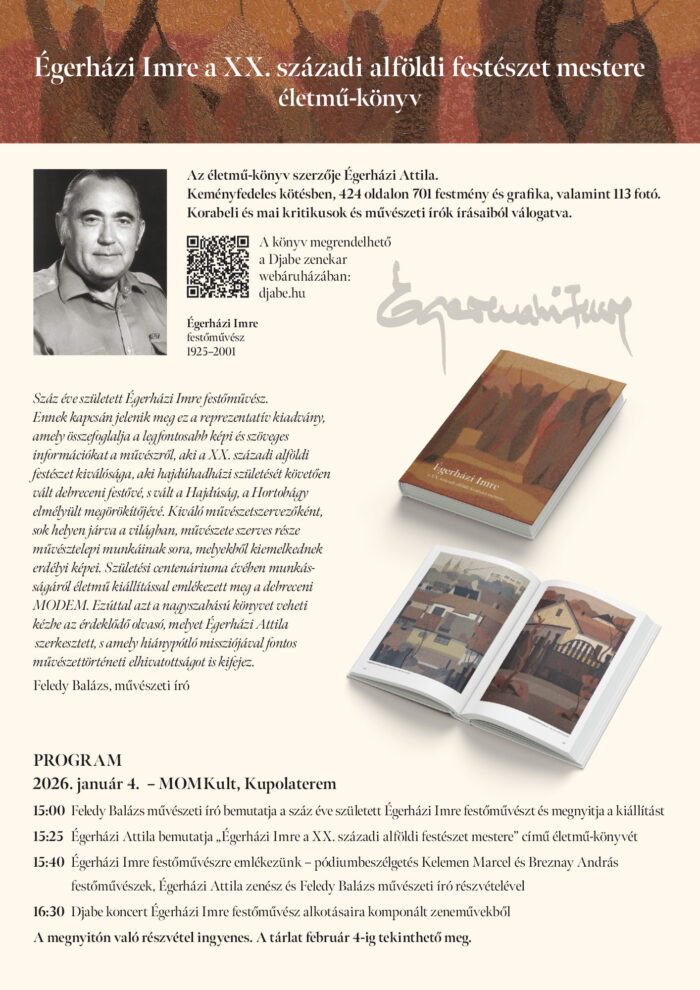
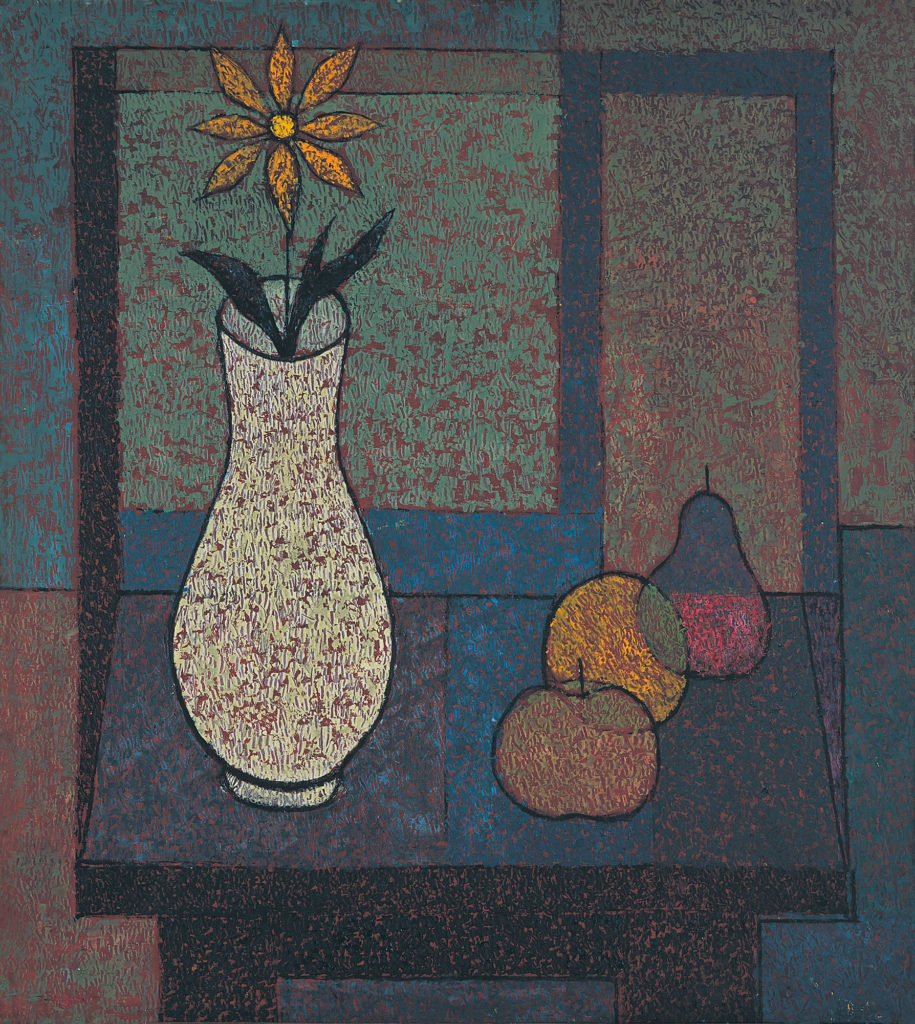
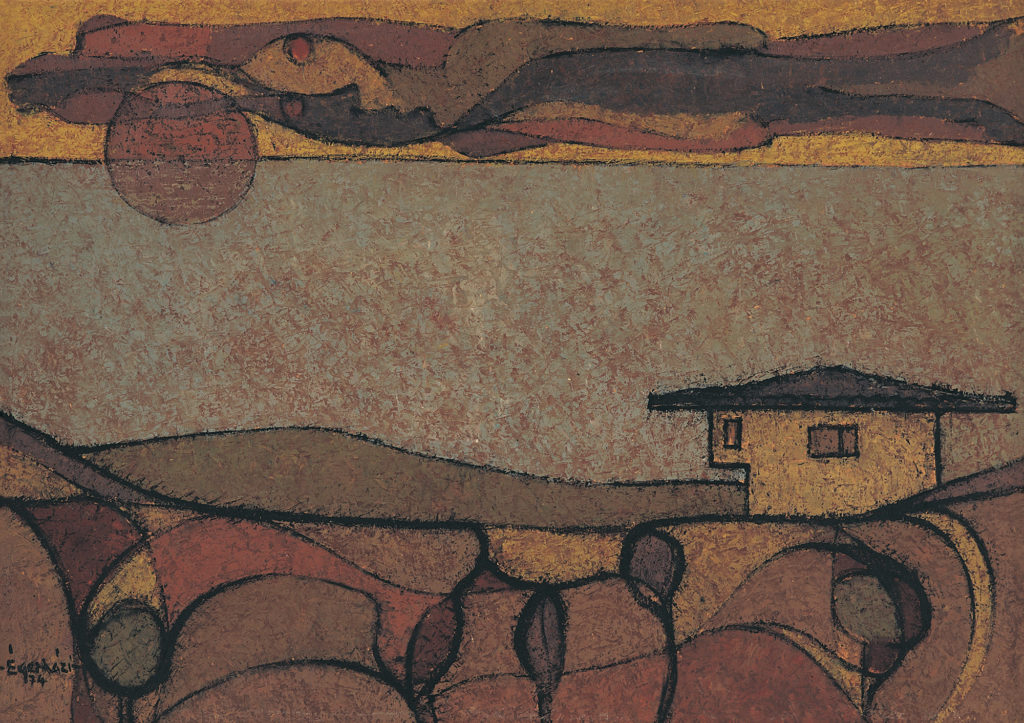
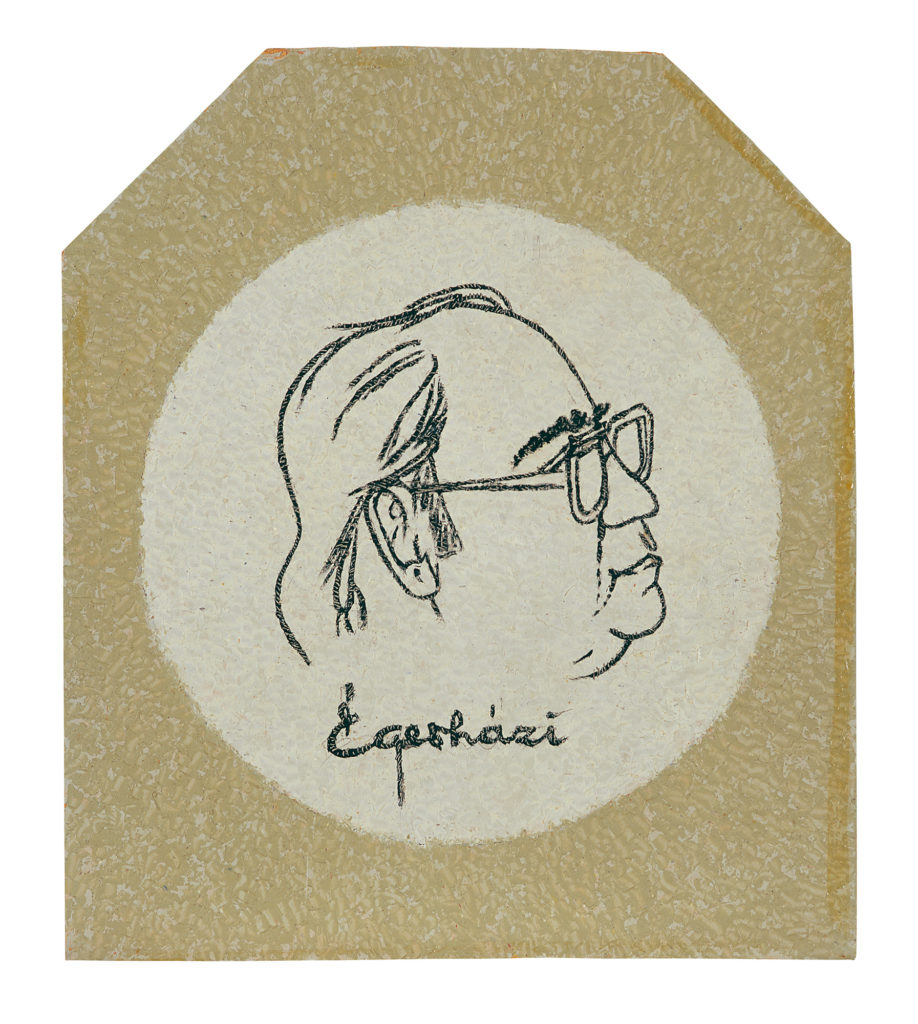
The painter was born 100 years ago in Hajdúhadház. He became the painter of the Hungarian Great Plain, the Hajdúság, and the Hortobágy landscapes in Debrecen. He also held his first solo exhibition here in 1963. As a mature master of the Great Plain, his first solo exhibition in the capital took place in 1972, in the dome hall of what was then the “MOM Cultural Center.” As a special artistic treat—following his passing in 2001—the same collection of works that had been a success 33 years earlier was exhibited at this very venue in 2005. Subsequently, several exhibitions of his works were held in the district. As a globetrotting painter who organized artists’ colonies, he captured his experiences of the world in a unique, timeless, and modern visual style. On the centenary of his birth, his paintings can once again be viewed in a small-scale exhibition, alongside the presentation of a major publication on his life’s work.
Balázs Feledy
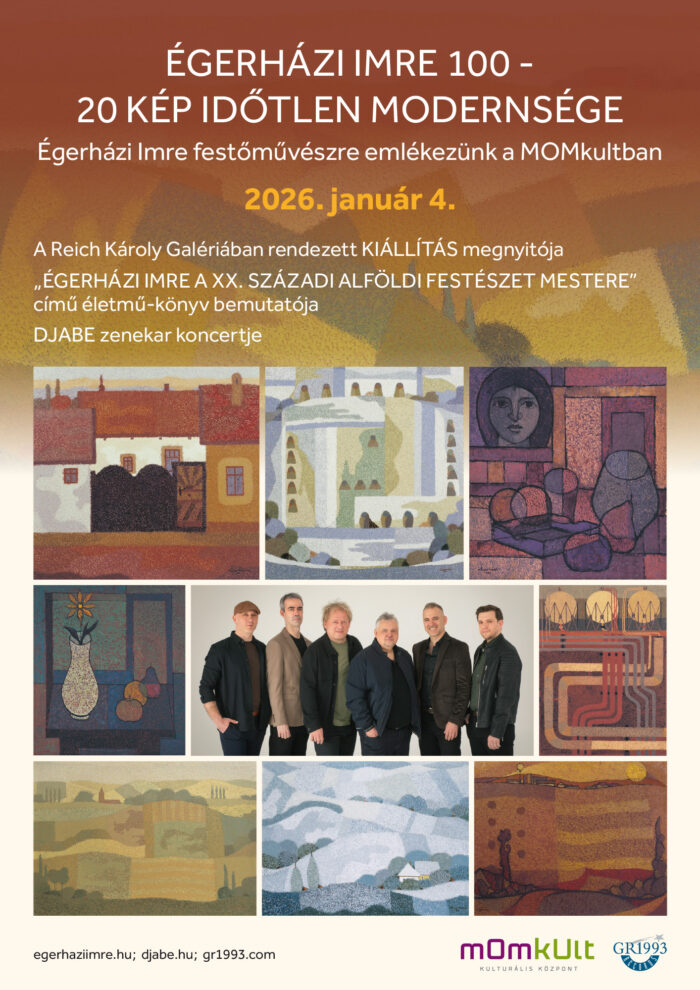
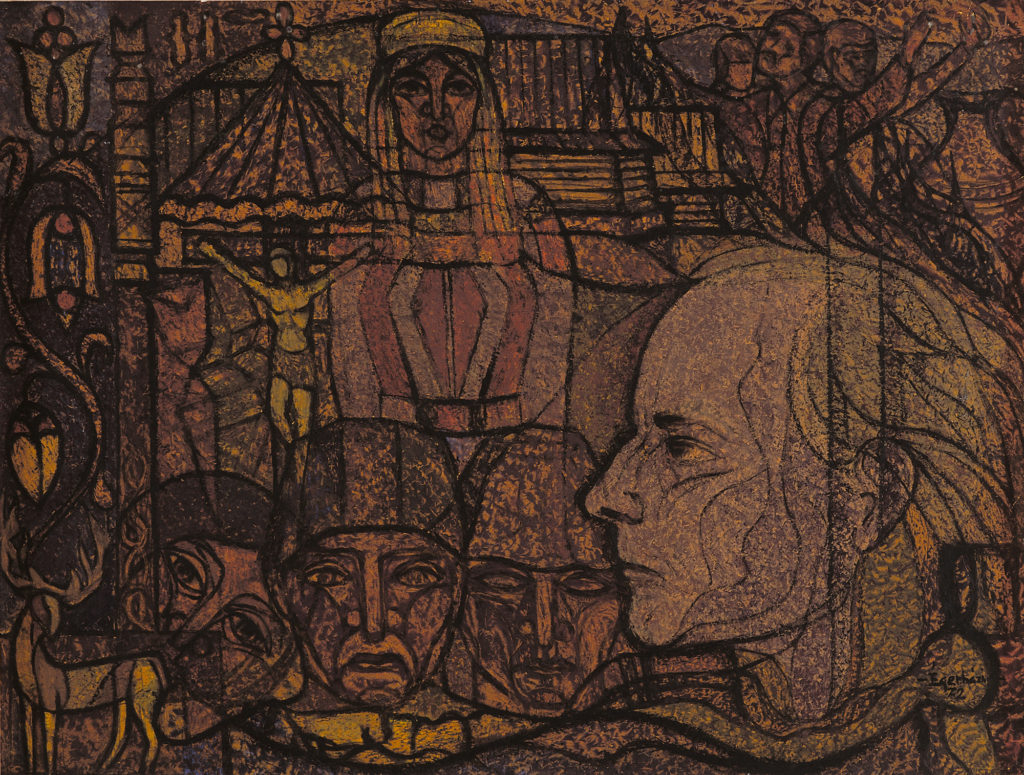
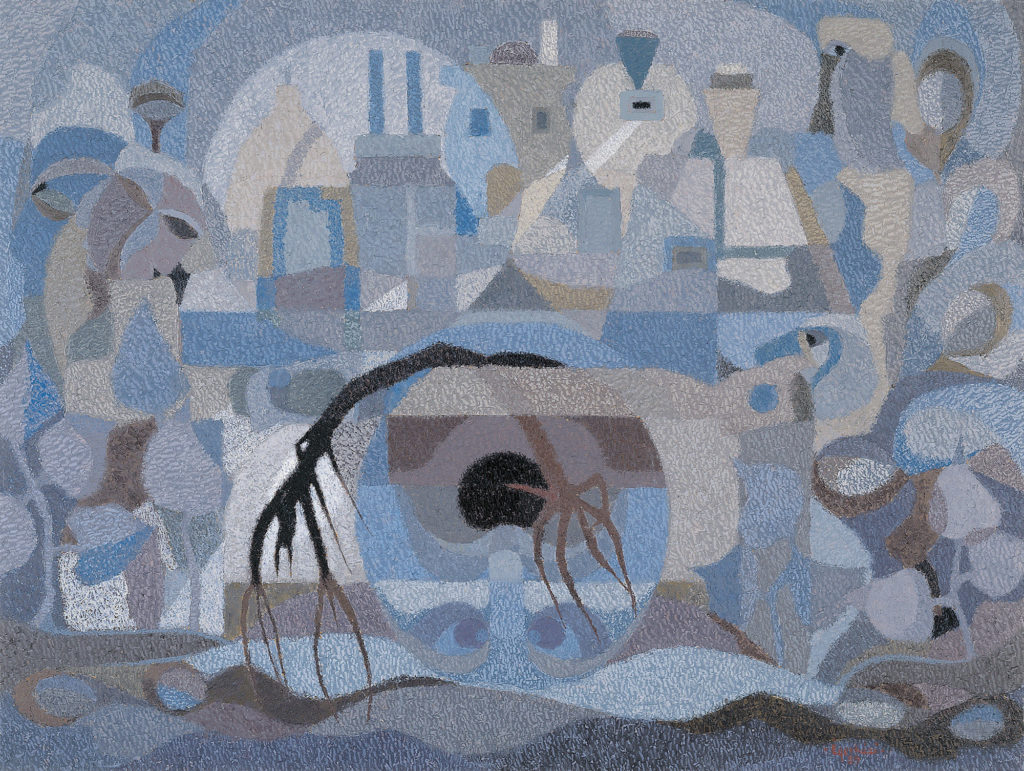
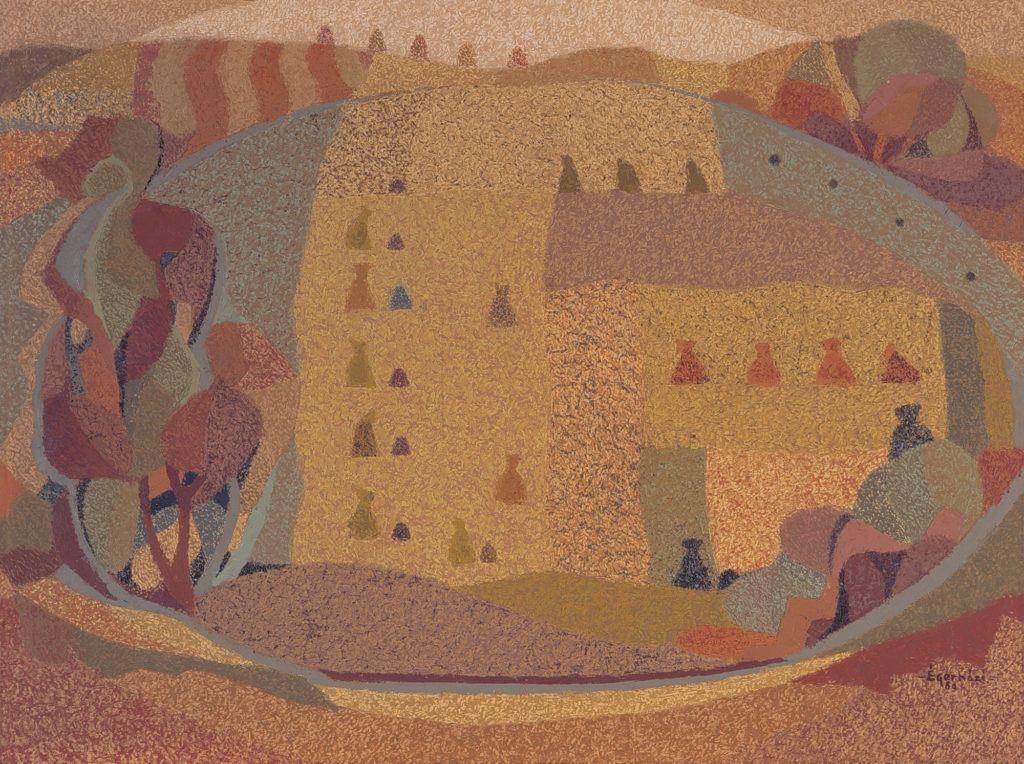
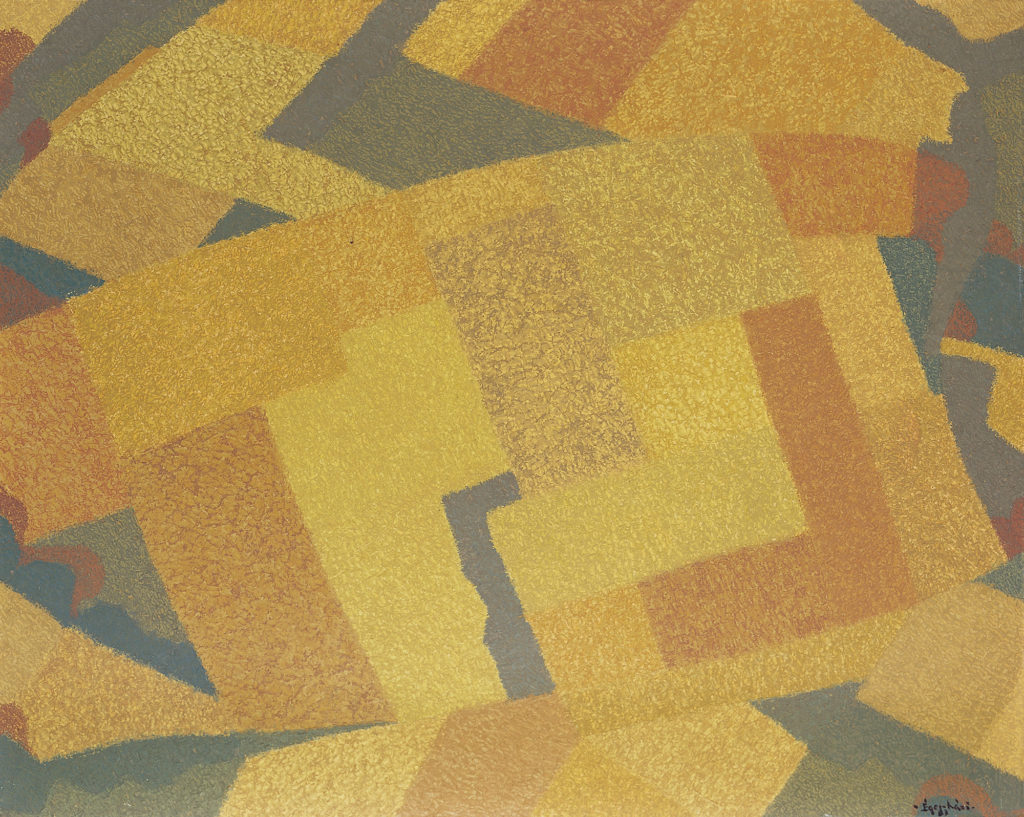
The Timeless Modernity of 20 paintings
The final instalment of the Égerházi 100 exhibition series opened on January 4, 2026, at the Reich Gallery in MOMkult. This is a unique exhibition space, as it is not a traditional gallery; instead, the paintings are displayed on screens and walls along the imposing staircase of MOMkult. This is both a disadvantage and an advantage, as MOMkult is one of Buda’s most vibrant cultural venues, allowing hundreds of visitors to view the exhibition daily.
It is difficult to present Imre Égerházi’s colourful artistic palette through just 20 paintings, but I ultimately succeeded in showcasing his periods, themes, and the evolving colour schemes across the decades. All of this was presented in a thematic format, in keeping with the traditions of our previous Imre Égerházi exhibitions. At the opening exhibition of the centennial year at Modem in Debrecen, Balázs Feledy drew our attention to the fact that Imre Égerházi’s modernity is timeless, transcending eras and themes. I curated the exhibition in this spirit.
For the opening, we organized a book launch, a discussion, and a concert by Djabe following Balázs Feledy’s opening remarks.
Attila Égerházi
An exhibition titled “Égerházi 100” opened yesterday, Sunday afternoon, featuring a book launch, a panel discussion, a film screening, and a concert. It showcases the work of Imre Égerházi (1925–2001), who was born in Hajdúhadház but worked primarily in Debrecen – as well as in Hungarian, the Great Plain, France, Bulgaria, and other creative camps he organized – in the MOMKult Dome Hall. The exhibition was organized by his son, Attila Égerházi, who is also the editor and author of a book showcasing his father’s vast body of work, featuring more than 700 reproductions and over a hundred other photographs. The exhibition was opened by Balázs Feledy and concluded with a roughly one-and-a-half-hour concert by Djabe. Attila Égerházi is, in fact, the leader of this band. The backbone of the concert was music inspired by Imre Égerházi’s paintings: Táncolnak a kazlak, The Magic Stag, Jégvilág, etc. But the evergreen Waiting for Distance Dance and Freya, inspired by the Norwegian North, were also performed. But for me—perhaps because it is one of my favourite instruments – I liked best those pieces in which the sitar was also featured, thanks to frequent guest artist László Szabó: see “Power of Wings” or “Behind the Veil.” These pieces were also inspired by Imre Égerházi’s paintings. The former was created for an Ady competition: the battle of the roosters reminded me of a cockfight. The latter, meanwhile, is a memory of a trip to Sumen, a Turkish city in Bulgaria.
I’d like to share a personal experience: about twenty years ago, we visited Hajdúhadház for an autumn festival known as the Torzsa Festival. Because of the festival, all public buildings were closed, but a kind municipal employee opened Imre Égerházi’s permanent exhibition just for us. It was a wonderful experience for us, and of course the delicious cabbage dishes and various drinks were a treat as well, all accompanied by three local Gypsy bands providing the music…
Iván Rózsa
The Sheafs were dancing
My friend Attila Égerházi, a jazz and world music artist, and the band DJABE invited many of us to an unconventional, multidisciplinary afternoon event to kick off the year in the impressive rotunda auditorium of MOMKult. It was an exhibition opening combined with a book launch to mark the 100th anniversary of the birth of painter Imre Égerházi.
Balázs Feledy, art writer, my old friend, and mentor, presented the life’s work of this genius painter from the Great Plain in vivid detail; he was followed by a book review by Attila Égerházi, the son who curates his father’s rich legacy, and then a professional discussion about the Hortobágy Artists’ Colony with Imre’s contemporary artists. The afternoon culminated fittingly with a concert by Djabe, featuring musical interpretations of iconic works inspired by the painter’s life. The first Sunday afternoon of 2026 turned into a three-hour, carefree audiovisual feast—thanks to everyone who contributed! Although Steve Hackett (former Genesis guitarist), who melodically “paints” the legend of The Magic Stag, was not present at the Buda event this time, the full band will next treat us to their sophisticated musical production on February 5 in Vienna at the Porgy & Bess event, with the international premiere of their new album, Freya!
By then, I’ll also have finished my unique stamp design titled Imre Égerházi 100.
Attila André Elekes
Bencze Ferenc fotói
Boda Zsolt fotói
Égerházi Attila fotói
Elekes Attila André fotói
Kincses Gyula fotói
Pál János fotói

Librettó interjú 2026.01.16.
Náray Balázs – Kultúrdiplomácia, tudósítás Égerházi Imre kiállításáról, 2014. szeptember